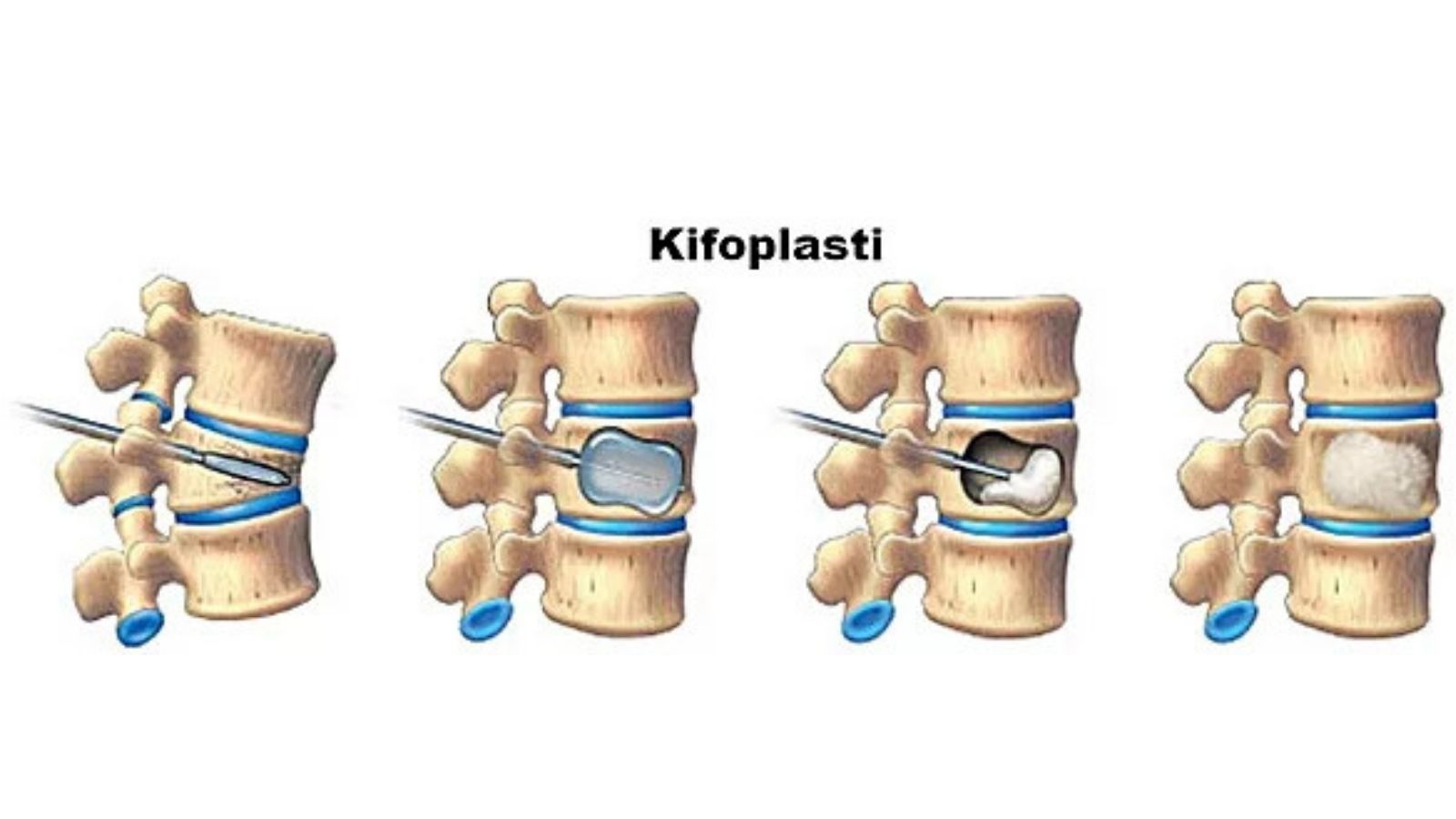
Baloon Kyphoplasty
Kyphoplasty is a percutaneous minimal-invasive treatment method used for the treatment of painful vertebral fractures in the chest and lumbar spine. It is a very effective pain treatment that has been applied in the USA since 1999 and in Germany since 2001. International clinical studies document that kyphoplasty quickly relieves pain and thus improves the quality of life. If it has to be said in other persuasive words: Your daily life can be much easier.
The word kyphoplasty is derived from Greek and consists of the words "kyphos" = "vertebra" and "plastein" = "create". We know this: Each vertebral body has a protective function in the spine. If only one vertebral body becomes porous, brittle, or even breaks, the stability of the spine is compromised. Severe pain occurs in the fracture, the spine is deformed (kyphosis). Neurological losses occur if bone fragments enter the spinal canal. A reconstructed, stabilized vertebral body no longer poses a danger to its surroundings after treatment, nor does it pose a danger to the static of the spine. But how can the vertebral bodies be stabilized?
Thanks to kyphoplasty - here cement is applied in a cannula. The material consists of, among other components, the calcium phosphate salt hydroxylapatite, which is naturally also found in bones. Therefore, the human body easily accepts this substance. Cement is applied to the vertebral body in gel consistency. It then hardens there and solidifies the porous and unstable vertebral body by that time.
When Should Balloon-Kyphoplasty Be Performed?
Fractures of the vertebral body (approximately 200,000 people per year experience spinal fractures) are particularly common in women with osteoporosis (osteoporosis). (At least six million people in Germany have osteoporosis). This impairs the stiffness of the spine, causing vertebral deformations and a decrease in trunk height (decrease in height). Osteoporosis is the main reason for performing kyphoplasty, especially when conventional treatments do not help alleviate the symptoms. Spinal fractures may also occur in patients with spinal trauma or osteolytic (bone-dissolving) tumors in the spine. Fractures may also occur due to congenital spinal disorders, such as the wedge vertebra.
Operation Process - Balloon-Kyphoplasty
The surgery takes about an hour - depending on the number of spinal fractures. The operation can be arranged under both general anesthesia and local anesthesia. Which method will be applied depends on the patient's disease picture.
You must come to the clinic before the operation. Our staff will allow you to enter the operating room on the day of surgery, ready for surgery - including if you are on an empty stomach.
Before the actual surgery, it should be determined that there are no other causes of pain. In addition, patients should confidently state that they have no allergies to contrast media. X-rays taken at two levels on the thoracic spine and / or lumbar spine of the standing patient give us precise information about the shape of the spine and for the evaluation of the fracture. Balloon-kyphoplasty is typically performed in a prone lying position. After the back is disinfected and covered with sterile cloths, balloon-kyphoplasty can be started on the spine-operating table that permits x-rays. The surgery consists of many steps and is a minimal-invasive and percutaneous surgery. Percutan means "applied through the skin".
Step 1: In this step, we place one or two cannulae in the vertebral body under continuous X-ray control - depending on the surgical technique. The porous intraosseous material is prepared for implantation.
Step 2: In this step we pass a balloon through the hollow instrument - often two balloons are used - one on each vertebral body side.
Step 3: In this step, the balloons are carefully expanded so that the collapsed vertebrae are removed and placed in their normal positions. A space is created within the vertebral body by expanding the balloon.
Step 4: In this step, we evacuate the air inside the balloon and take the balloon out of the cannula.
Step 5: In this step, we inject the bone cement. The cement hardens very quickly and the broken vertebra is reconstructed and stabilized. Thus, the danger of compression of the spinal cord and the occurrence of neurological losses is prevented.
Now the spine can be strengthened again.
Immediately After Surgery
You are taken to the recovery room right after the balloon-kyphoplasty. Here you will be under surveillance for a while, the doctor comes to you and tells you - at best - that everything went well. Kyphoplasty is a minimally invasive surgery, but it is a surgical procedure and involves risks and can cause side effects.
Days After Surgery
After the balloon-kyphoplasty, which lasts for about an hour, you will normally stay in the clinic for 6-10 days. While you are on the floor, you are encouraged to take your first steps. Your employer will have to wait a little while for you to return to work: about four to six weeks.
Your car will also remain fog-free for four weeks. However, you can start swimming right away, you have to wait six weeks to ride a bike and ten weeks to play golf and tennis.
Kyphoplasty Advantages / Complications
You will notice very quickly: your back pains will be significantly reduced and most likely eliminated completely. Thus, you will be able to move more and your quality of life will increase a lot. In addition, balloon-kyphoplasty allows the vertebral heights to rise again and thus correct the orientation of your spine. Another advantage: Because balloon-kyphoplasty is a minimally invasive procedure, only a few millimeters long scar remains after surgery.
However: Balloon-kyphoplasty does not eliminate osteoporosis. That's why you should also have osteoporosis treated after surgery - ideally with a physiotherapy and medication to build up the muscles around the spine. One possibility is that previously written drugs primarily affect calcium metabolism, which is responsible for calcium metabolism and bone structure and resorption. Ultimately, the disease process of osteoporosis can be delayed or even stopped altogether by a healthy cell metabolism.
EN
-
.jpg) Scoliosis
Prof. Dr. Serdar Akalın
-
.jpeg) Knee Prosthesis
Prof. Dr. Serdar Akalın
-
.jpg) Minimally Invasive Interventions
Prof. Dr. Serdar Akalın
-
.jpg) WHAT IS PRP
Prof. Dr. Serdar Akalın
-
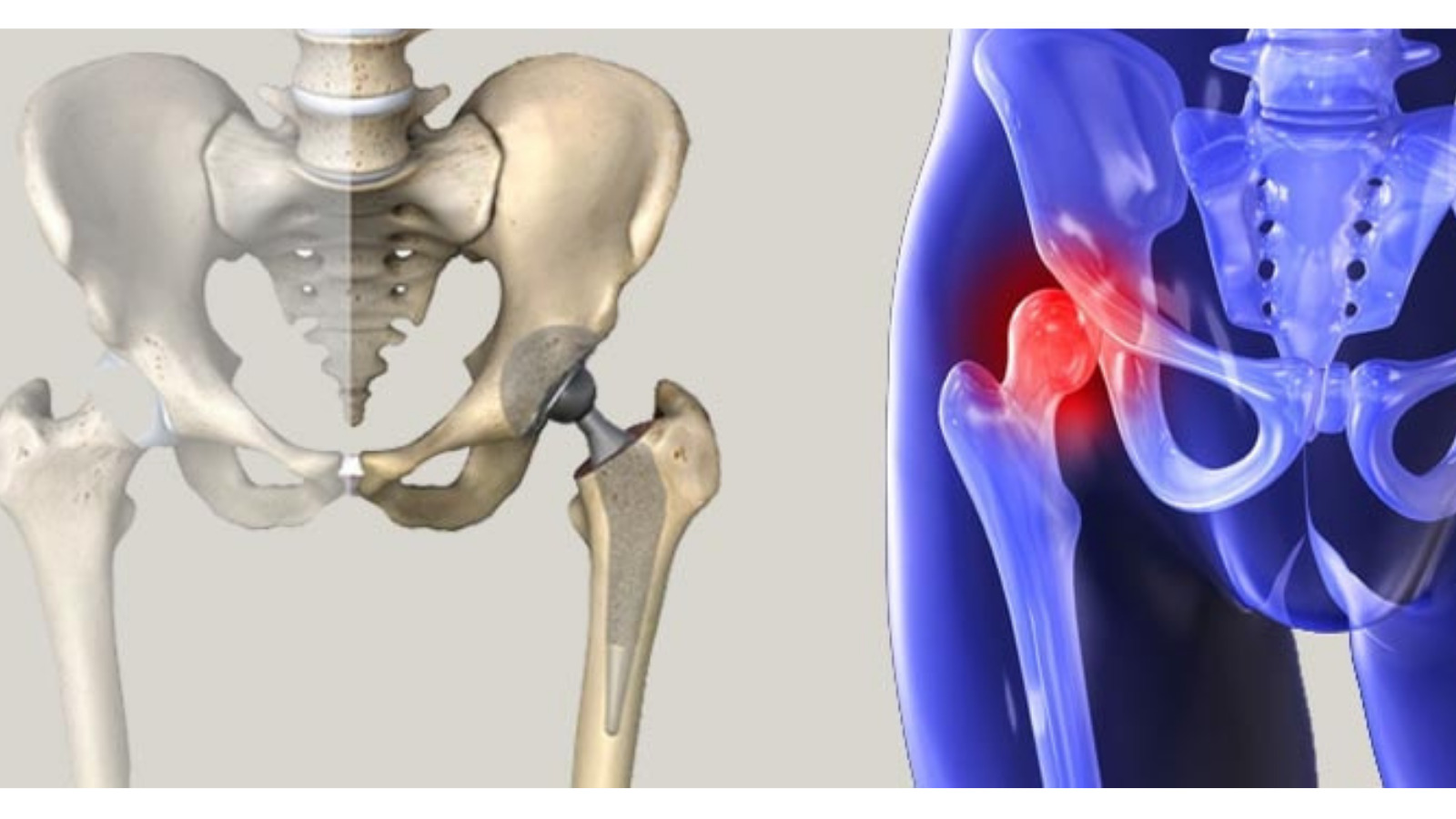 Hip Prosthesis
Prof. Dr. Serdar Akalın
-
.jpg) Spinal Stenosis ( Spinal Canal Narrowing)
Prof. Dr. Serdar Akalın