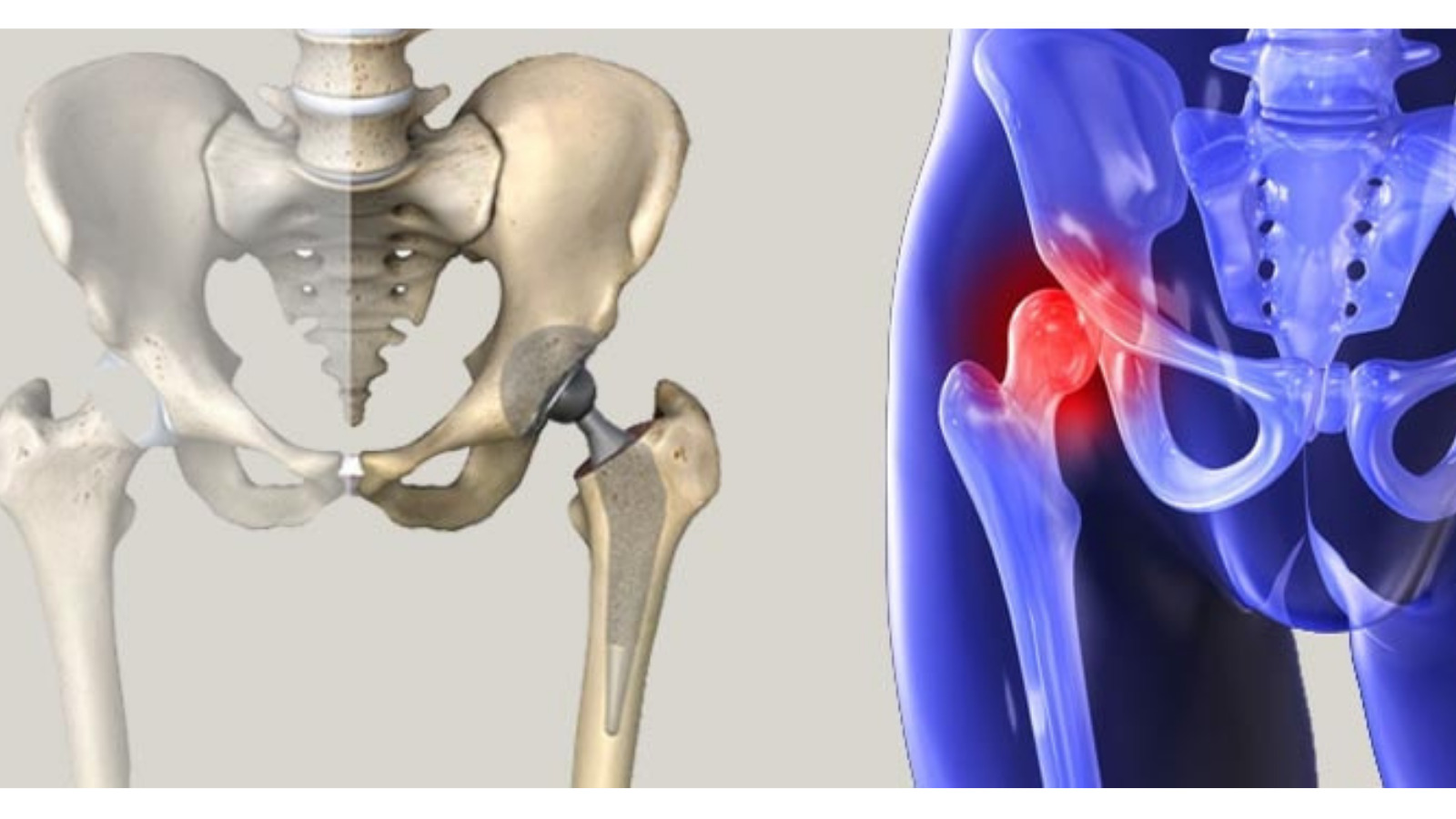
Hip Prosthesis
Total Hip Replacement
Advances in orthopedics have also enabled the hip to be effectively intervened. The fact that the hip bone is deeper than other joints and consists of thick tissues has also restricted the procedures performed in this area in the past. However, today, with methods such as total hip replacement, danger for damaging in this area can be largely eliminated.
In cases where the injury to the hip cannot be corrected by methods such as exercise, physical therapy, injection, and arthroscopy, a total hip replacement can be used. Hip prostheses made of cobalt, chrome or titanium can also be made with cemented hip prosthesis and cementless hip prosthesis. In our article, we will give information about the materials used in total hip prosthesis, how the total hip prosthesis is made and the things to be considered after the surgery.
For more detailed information about hip problems and hip replacement, you can call our clinic on our site and contact Prof. Dr. You can make an appointment with Serdar Akalın.
Total hip replacement is a treatment method applied in severe cartilage damage in cases where exercise, physical therapy and drug therapy do not work. It is generally applied to patients over the age of 55 - 60. In the treatment of elderly patients, cemented hip prosthesis is preferred according to the preference of your doctor and the patient's condition. In this type of prosthesis, a filling material called "bone cement" is also used with the prosthesis. In the non-cemented hip prosthesis type, prosthesis material covered with a porous material is used.
Hip treatments, which could only be done with cemented hip prosthesis in the past, can now be easily performed with cementless prosthesis. The metal and plastic parts used are supported by ceramic parts with high durability. All these innovations in the hip prosthesis have helped the treatment to be longer and minimized the risk of dislocation of the prosthesis. At the same time, postoperative restrictions have decreased thanks to these innovations and the quality of life of patients using hip prostheses has increased.
Hip replacement surgery is an operation that takes about 2 hours. This time can vary from person to person. After the operation, the patient is expected to rest from the hospital for
2 - 3 days. The day after the operation, the patient can take short walks with the support of a walker and a person.
After hip prosthesis, it is not recommended to raise the legs too high or to open them in a way that strains the bones. For this reason, the legs should not be too high in the patient's lying position. It is also recommended to put a pillow between the legs while lying down. Immediately after surgery, a V-shaped pillow can be placed between the patient's legs and the patient may be asked to sleep in this position. After wound healing period some restictions about lyig positions will be terminated.
In order to get the best results from total hip replacement surgery, it is necessary to ensure that the prosthesis is fully fixed to the tissues. Incorrect and careless movements performed immediately after the operation may cause the prosthesis to be dislodged. To minimize this risk, the patient should avoid actions that raise their legs more than the specified angle. Quitting the use of squat toilet is one of the main things to do to protect the prosthesis. Because in order to protect the prosthesis, it is imperative that the patient does not sit on low places and take a squatting position. It is necessary to pay attention to this situation throughout life.
After the operation;
*Crossing your legs for at least 8 weeks
*Bending over, crouching,
*Taking something off the ground in a sitting position
*Leaning forward too much when sitting and standing
are inconvenient.
It is asked to raise the knees above the hip level. As long as the patient pays attention to these rules, the prosthesis can be used for many years without any problems. The patient can start driving after 6 weeks, depending on the doctor's approval. In this case, care should be taken that the driver's seat is high and does not squeeze the legs.
Another issue to be considered after total hip replacement is infection. Total hip replacement surgery is performed by numbing down the waist. Risk factors are almost nonexistent. However, there is a risk of clot formation due to the decrease in walking and restriction of movements. The best way to avoid this is to use medications prescribed by your doctor, wear embolic socks, exercises that do not strain the hips, and regular walking. The patient can do sports such as swimming and walking 6 -12 weeks after surgery.
Another risk in total hip replacement surgery is infection. This is a risk with any surgery and can be reduced to zero with careful care.
Detailed Information about Total Hip Replacement
You can contact Prof. Dr. Serdar AKALIN or our clinic for more detailed information about total hip replacement.
EN
-
.jpg) Scoliosis
Prof. Dr. Serdar Akalın
-
.jpeg) Knee Prosthesis
Prof. Dr. Serdar Akalın
-
.jpg) Minimally Invasive Interventions
Prof. Dr. Serdar Akalın
-
.jpg) WHAT IS PRP
Prof. Dr. Serdar Akalın
-
Hip Prosthesis
Prof. Dr. Serdar Akalın
-
.jpg) Spinal Stenosis ( Spinal Canal Narrowing)
Prof. Dr. Serdar Akalın