.jpeg)
Knee Prosthesis
Total Knee Replacement
Nowadays, it is possible to minimize problems such as pain and problems with new techniques used in orthopedics and traumatology. In cases where physical therapy and other treatment methods are insufficient, it is possible to relieve pain with the help of prostheses. Total knee prosthesis, which is generally preferred for middle-aged and older individuals, has been used more and more since 1968.
If you have questions such as how to do a total knee replacement and how to do it, you can read the rest of our article. If you want to have a total knee replacement in Antalya and are looking for a reliable clinic, Prof. Dr. You can contact Serdar Akalın's clinic.
First of all, let's start by getting to know the knee prosthesis.
What is Total Knee Replacement?
We can say that total knee replacement is one of the most comprehensive treatment methods applied to relieve the pain and pain in the knee joints. It is applied in cases where treatments such as physical therapy, drugs and intra-articular injections are insufficient. For this reason, it is a method that we generally apply to elderly people. However, total knee prosthesis can also be applied in case of severe accidents and blows that cause excessive trauma.
Purpose of total knee replacement; It is to reduce the pain by renewing the excessive damage in the area with an artificial knee structure. Because of the weakening and erosion of cartilage and bone tissues with age, such a great damage occurs at the age of 60 - 80. For this reason, we can say that total knee prosthesis is a treatment that is mostly applied in middle age and older.
If there is no response from other orthopedic treatments and if the person has reached uncomfortable dimensions in walking short distances and climbing stairs, total knee prosthesis may be considered. At this point, the doctor decides on the prosthesis with detailed examination and imaging methods.
While producing a total knee prosthesis, materials compatible with the body are used made of titanium, cobalt, chromium and metal alloy, the prosthesis is supported with polyethylene in its spacers. Polyethylene is a reinforced plastic structure. It is compatible with the skin and there are no allergic reactions.
Total knee replacement is performed under spinal or general anesthesia. Afterwards, the knee is opened and the femur, tibia and patella bones are removed together with a thin layer of bone. The prepared prosthesis is mounted on this area and the surgery is completed. The procedure is completed within 1-2 hours, depending on the patient's condition and structure. After the operation, necessary medication and serum support are given to minimize the feeling of pain. The patient is expected to rest until he is able to walk. The day after the operation, the patient can take short walks with a walker.
Postoperative Exercises:
Total knee replacement; It greatly reduces the complaints of pain and stinging. The patient becomes able to do activities that he could not do in the past, such as short walks, climbing up and down stairs, and running.
More than 90% of our patients experience a significant reduction in complaints. Of course, regular exercise is recommended to keep the joint structure healthy after the prosthesis. After the total knee prosthesis, the exercises we recommend and movements such as light walking will provide full recovery and strengthening of the knee.
As time passes, cartilage and joint tissues continue to wear. Therefore, the prosthesis may separate from the bones and become dysfunctional. But it takes a long time for this to happen. For this reason, the application in prostheses made after the age of 55 - 60 usually has a permanent effect. If the procedure is performed in younger individuals due to trauma, regular control may be required and the status of the prosthesis is constantly monitored.
We can say that total knee replacement surgery is a risk-free operation. Serious complications are rare after surgery. Clot formation as a result of slowing of blood flow in the leg is the most serious complication that can occur. In order to prevent this side effect, you should use the medications recommended by your doctor after the surgery, and attention should be paid to embolic socks and regular exercises. Complications usually occur due to the patient's hesitation to move after surgery.
Another risk that may arise is the risk of infection. This risk is not caused by the prosthesis, but by patients general condition and the surgery itself. Every surgery carries the risk of infection. To avoid this, it will be enough to follow the doctor's recommendations verbatim and to take care of the patient.
Each patient's bone structure and needs in treatment are different. Therefore, it would not be correct to make a clear comment about the total knee replacement.
You can contact Prof. Dr. Serdar AKALIN or our clinic for more detailed information about total knee replacement.
EN
-
.jpg) Scoliosis
Prof. Dr. Serdar Akalın
-
Knee Prosthesis
Prof. Dr. Serdar Akalın
-
.jpg) Minimally Invasive Interventions
Prof. Dr. Serdar Akalın
-
.jpg) WHAT IS PRP
Prof. Dr. Serdar Akalın
-
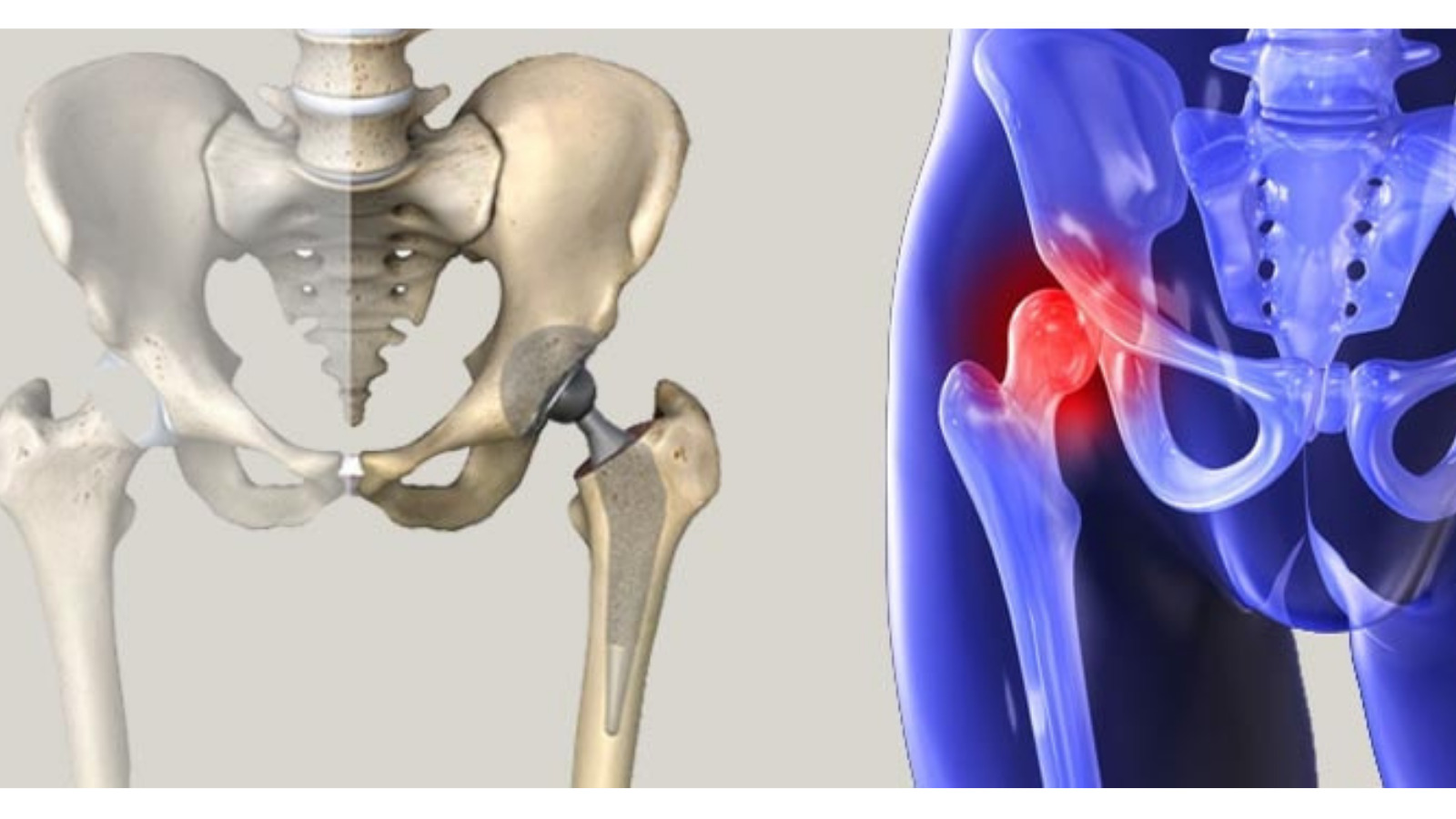 Hip Prosthesis
Prof. Dr. Serdar Akalın
-
.jpg) Spinal Stenosis ( Spinal Canal Narrowing)
Prof. Dr. Serdar Akalın